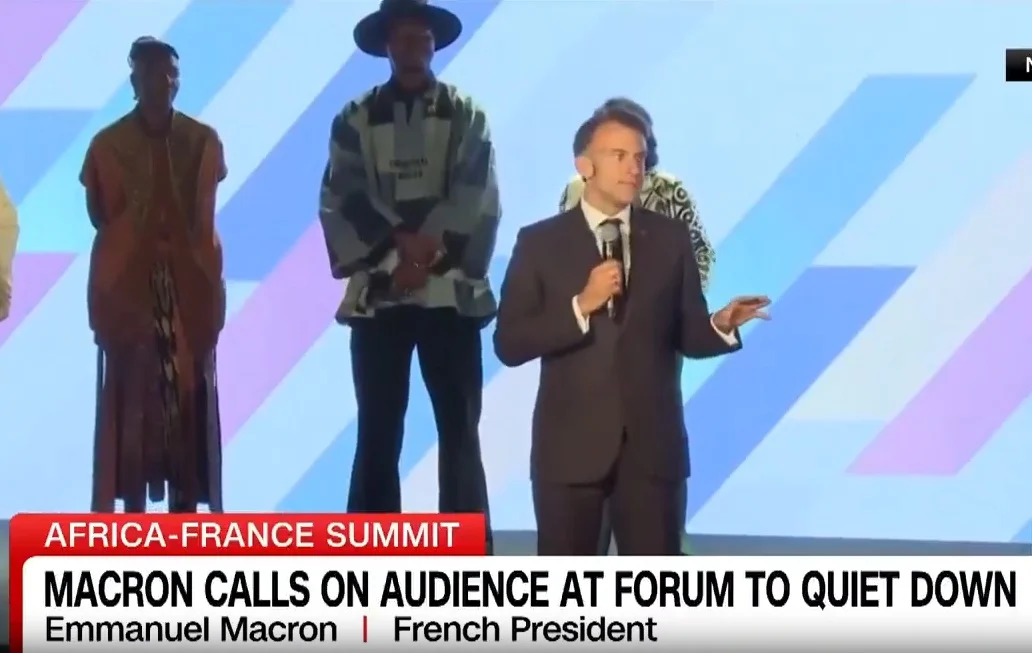


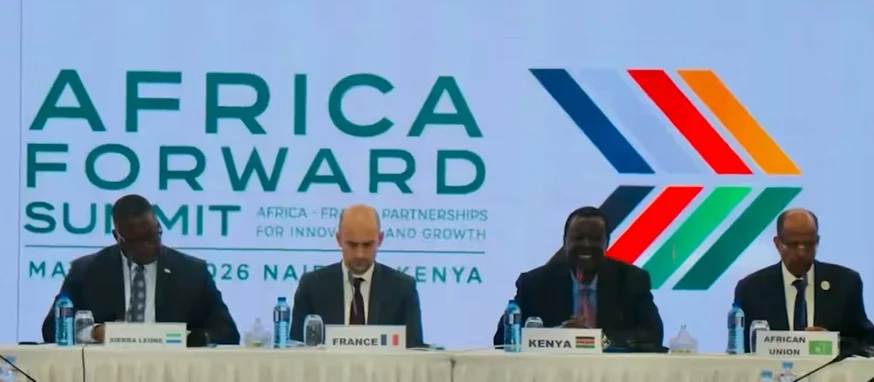
Nairobi, Kenya – Somalia has renewed calls for major reforms to the United Nations Security Council, demanding permanent representation for Africa during high-level discussions held at the Africa Forward Summit in Nairobi.

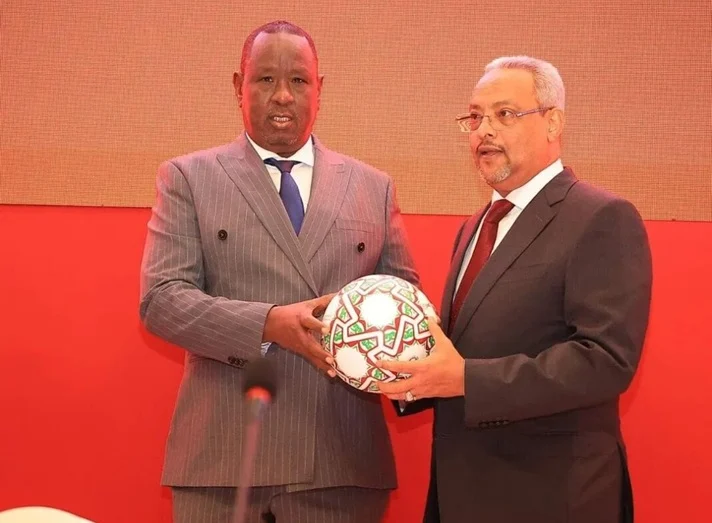
The strong diplomatic push was led by Somalia’s Minister of Foreign Affairs and International Cooperation, Abdisalam Abdi Ali, alongside Somalia’s Ambassador to Kenya, Jibril Ibrahim Abdulle, who argued that Africa’s voice and interests can no longer remain underrepresented in global decision-making institutions.
Speaking during the summit, Somali officials emphasized that the current structure of the UN Security Council no longer reflects modern geopolitical realities, particularly given Africa’s population size, economic potential, and growing role in international peace and security.
Somalia Backs Africa’s Unified Position
Somalia joined other African nations in backing the African Union’s long-standing demand for permanent seats on the UN Security Council, including full veto powers equivalent to those held by the current permanent members.
Foreign Minister Abdisalam stated that Africa has historically contributed significantly to international peacekeeping, conflict resolution, and global development, yet remains excluded from permanent representation within the world’s most powerful security body.
According to Somali diplomats, reforming the Security Council is necessary to ensure fairness, inclusivity, and balanced international governance.
“Africa’s voice can no longer be ignored,” Somali representatives declared during the summit discussions, a statement that drew strong support from delegates attending the event.
Africa Forward Summit Focuses on Global Reform
The Africa Forward Summit, held in Nairobi, brought together African leaders, diplomats, policymakers, investors, and international organizations to discuss Africa’s future role in global governance, economic transformation, security cooperation, and diplomatic influence.
The summit also focused on strengthening Africa’s collective bargaining power in international institutions such as the United Nations, World Bank, and International Monetary Fund.
Participants argued that the global governance system established after World War II has failed to evolve alongside modern political and economic realities, leaving many developing regions — especially Africa — with limited influence over critical global decisions.
Somalia’s Growing Diplomatic Role
Somalia’s participation in the reform discussions comes at a significant time for the country’s foreign policy and international standing. The Federal Government of Somalia currently serves as a non-permanent member of the United Nations Security Council for the 2025–2026 term, marking a major diplomatic milestone for Mogadishu.
Analysts say Somalia’s active engagement in international reform debates reflects the country’s efforts to rebuild its diplomatic influence and strengthen ties with African and global partners after decades of instability.
Somali officials at the summit highlighted the importance of giving African nations a stronger voice in issues related to peacekeeping operations, conflict prevention, climate change, economic development, and international security — areas where African countries are often directly affected by Security Council decisions.
Calls for a More Inclusive UN System
The UN Security Council currently consists of five permanent members — the United States, China, Russia, the United Kingdom, and France — all of whom possess veto power. Africa, despite being home to 54 UN member states, has no permanent seat.
African leaders have repeatedly argued that this imbalance undermines the legitimacy and credibility of the UN system.
The renewed Somali-led appeal in Nairobi is expected to add momentum to broader African efforts aimed at securing greater representation and influence within international institutions.
Diplomatic observers say the discussions at the Africa Forward Summit demonstrate increasing unity among African nations seeking reforms that better reflect the realities of the 21st century.