



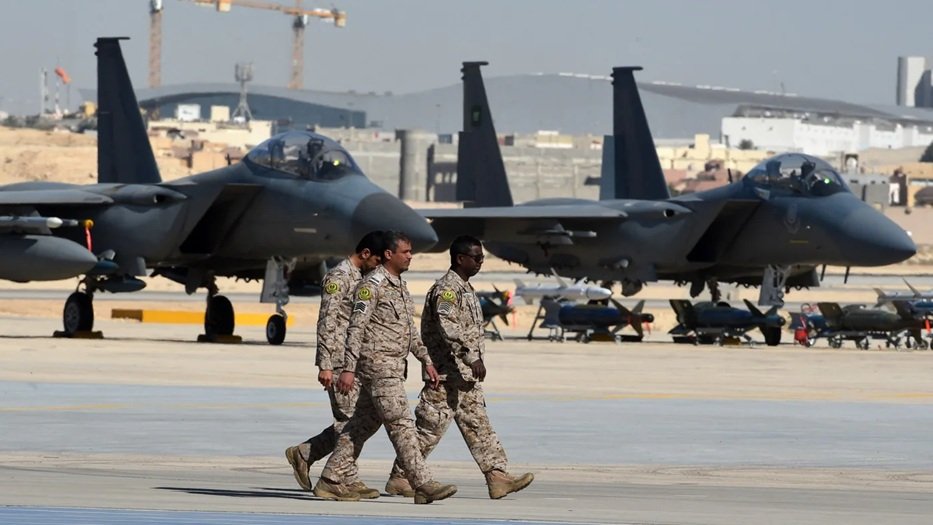
Saudi Arabia is in the process of establishing a new military alliance with Somalia and Egypt, as part of its efforts to curtail the influence of the United Arab Emirates in the region, Bloomberg reports.

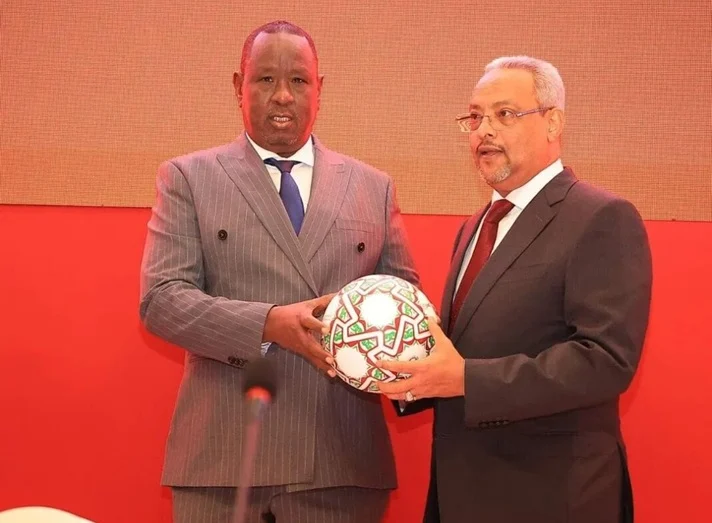
Somalian President Hassan Sheikh Mohamud will travel to Saudi Arabia soon to finalise the deal that will look to strengthen Red Sea security as well as military cooperation.
Tensions between the two Gulf powerhouses have escalated recently when Saudi Arabia ordered the UAE to remove troops from Yemen in an effort to end Emirati support for separatists in the country.
On 30 December, Saudi bombed the Yemeni port city of Mukalla, striking an alleged weapons shipment arriving from the UAE that was intended for the separatist Southern Transitional Council (STC) group.
The intervention sparked a heated online feud between prominent Saudi and Emirati voices, marking a sharp departure from years of carefully calibrated rhetoric around Gulf unity between the two states.
Calling it a “limited” operation, Saudi Arabia justified the move by saying its national security was a “red line” and labelling the Emirati steps as “extremely dangerous”.
Yemen’s Presidential Leadership Council (PLC) has since demanded Emirati forces leave Yemen, cancelled a defence pact with the UAE and imposed emergency restrictions on ports and crossings.
This week, Somalia also cancelled security and ports agreements with the UAE, citing a violation of their sovereignty by the Gulf state, who extracted the STC leader Aidarous al-Zubaidi through its territory.
Questions of Somali sovereignty and territorial integrity have become increasingly urgent in recent weeks, with the UAE and its regional ally Israel growing ever closer to Somaliland, a breakway region of Somalia that has its own government.
The Saudis have expressed support for Somalia’s territorial integrity and joined several Muslim-majority countries in condemning Israel’s recognition of Somaliland and state visit to the area.
The UAE also affirmed Somalia’s territorial integrity, but has developed close ties with the local administrations in the Somali regions of Puntland and Somaliland, bypassing Mogadishu.
It has also made substantial investments both militarily and economically, especially in ports at Berbera in Somaliland and Bosaso in Puntland.
Saudi officials have reportedly been pushing Somalia to cut ties with their rival Gulf state, indicating an appetite for a stronger diplomatic and military relationship between the kingdom and East Africa.
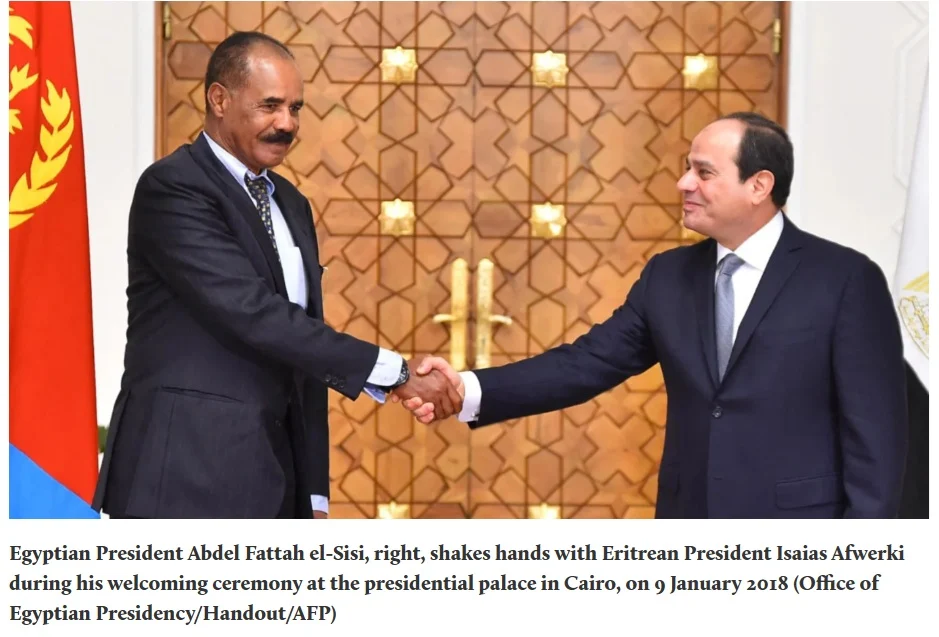
Meanwhile, ties between Egypt and Saudi Arabia have been strengthening recently, with a senior Egyptian presidential source revealing to Middle East Eye this week that Cairo passed intelligence on Emirati operations in Yemen to Saudi authorities, in what was described as a “carefully planned manoeuvre”.
“Egypt offered the UAE as a sacrifice to restore Saudi support and preserve national security,” the source explained.
A senior Egyptian diplomat told MEE in September that “Egypt proposed a defensive regional force under the 1950 Joint Defence and Economic Cooperation Treaty, aiming to establish a rapid-response alliance to shield member states from external threats, particularly Israel”, but the move was mainly blocked by Qatar and the UAE.
A new regional order?
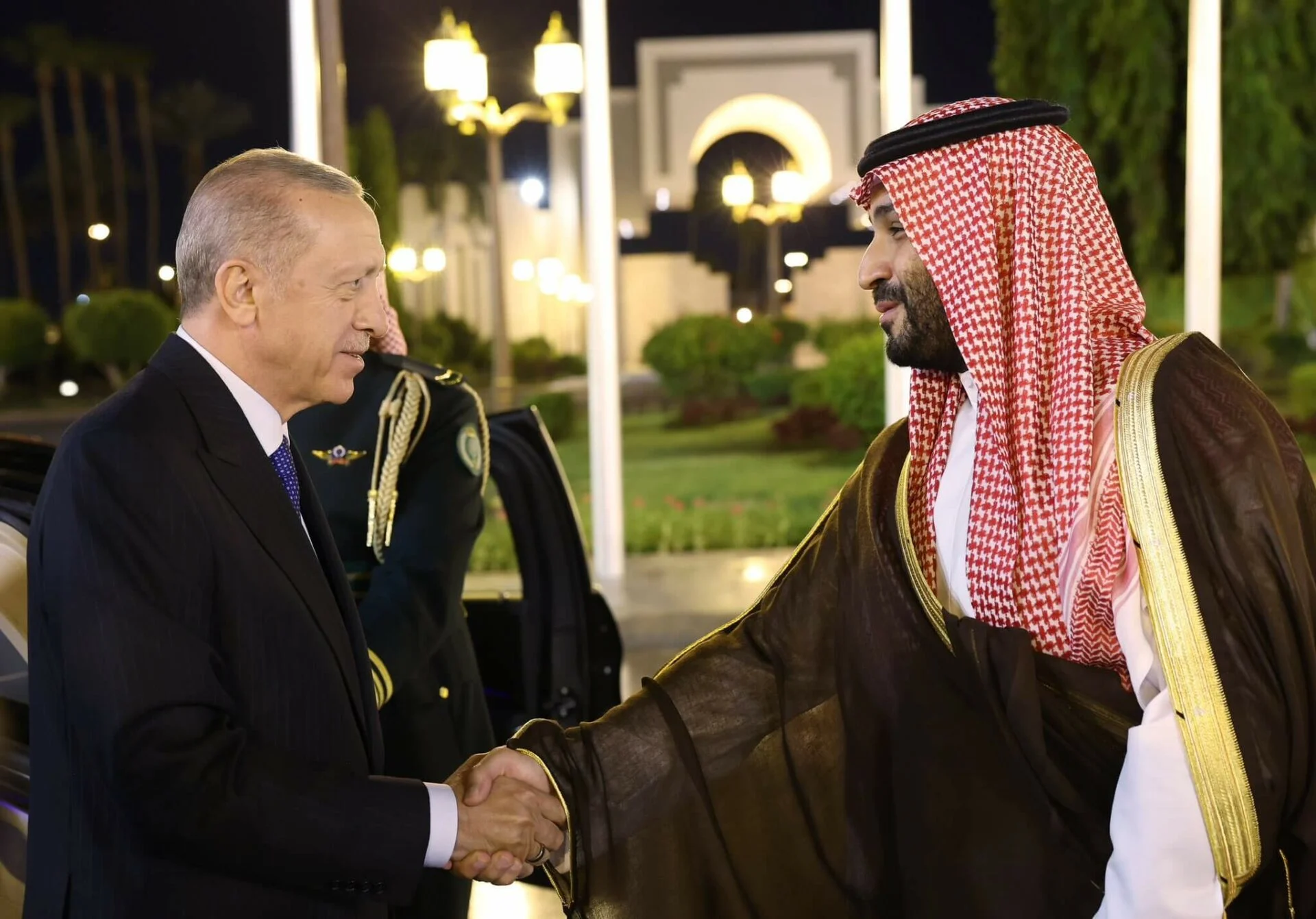
News of the military alliance sought by Riyadh comes as recent reports revealed Turkey is seeking to join a military pact between Saudi Arabia and Pakistan that was first formed in September.
Turkish sources told MEE that “Turkey does not want to present this initiative as a Nato-like pact, but rather as a defence cooperation mechanism that could eventually include Pakistan and Saudi Arabia”, adding that Ankara is also looking to strengthen ties with Egypt this year.
Speaking to Al Jazeera on the tensions between Saudi Arabia and the UAE over Yemen, Dr Andreas Krieg, a senior lecturer at the School of Security Studies at King’s College London and fellow at the Institute of Middle Eastern Studies, described the UAE’s regional order as one “that includes the Israelis but excludes other Arab states, the Gulf and Turkey”.
“The Emiratis are building an axis that is trying to exclude Saudi Arabia,” he said.
The rise in joint defence and military agreements with Saudi Arabia suggests a growing interest in establishing an interconnected Arab defence force in opposition to the influence of Israel and the UAE.
While Saudi Arabia and the UAE have privately diverged for years on a number of issues, experts see the ramping up of their rivalry as signalling a fundamental shift in the region.
………………………………………………………………………………………………………………………………………………………………………………….
Sources: Middle East Eye



