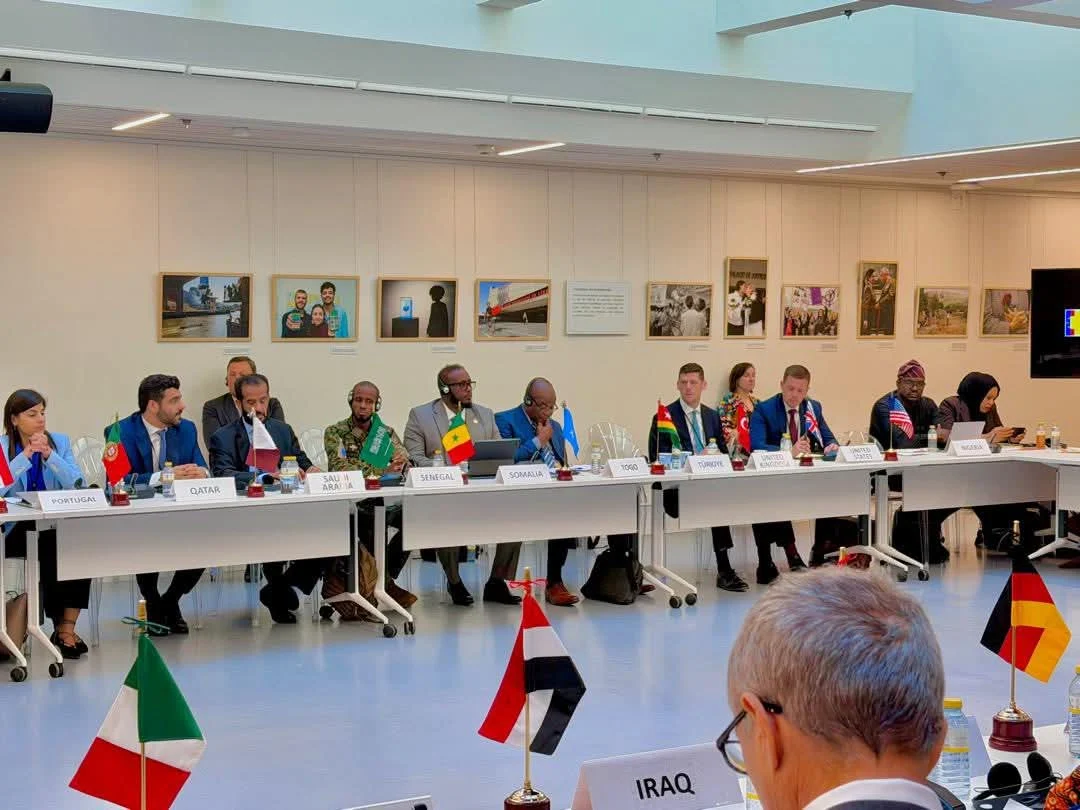

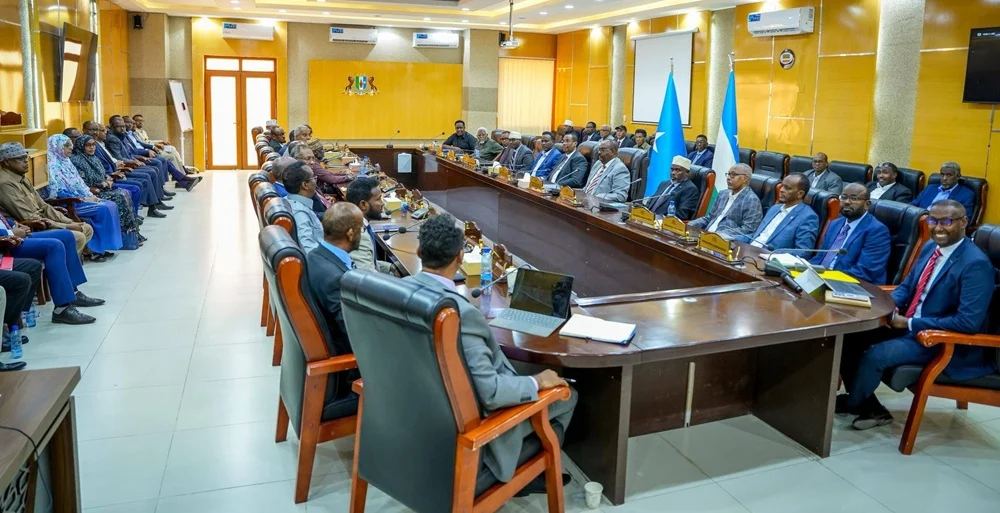
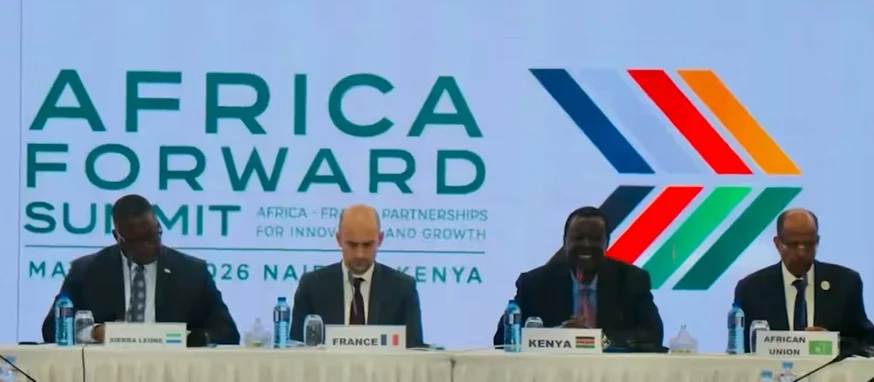






The political situation around the United Arab Emirates is much larger and more complicated than many think. This region stretches from North Africa to the Red Sea, the Horn of Africa, and the Arabian Peninsula. It includes over 500 million people, strong military forces, and states that fiercely protect their sovereignty and resources. In such a setting, a small state cannot maintain influence just by using wealth or remaining isolated. Money can open doors, but it cannot replace trust or legitimacy.
The main strategic mistake was believing that division could take the place of partnership.
Emirati policy increasingly involved fragmented political systems and rival authorities to gain leverage over ports, trade routes, and strategic assets. This approach aligned with broader external goals that benefit from weak and divided states. The predictable outcome was that fragmentation bred resistance, resentment, and long-term instability instead of control.
Another mistake was depending too much on external support to cover for declining regional legitimacy.
Heavy lobbying abroad created a false sense of protection from local consequences. However, major powers act based on their own interests stability, de-escalation, and energy security not to take on the regional backlash for smaller partners. Influence without legitimacy leads to vulnerability.
Today, actions from the UAE face increasing skepticism throughout the region. In societies shaped by colonial history, proxy conflicts, and competition for resources, perception is just as important as power. Once intent is questioned, even business activities are seen through a security lens. This allows political narratives and ideological labels to justify interference while hiding strategic interests.
Resistance has grown stronger. Saudi Arabia reassessed its role as fragmentation in Yemen threatened its security. Egypt became more cautious due to instability in the Red Sea and concerns over the Nile. In Libya, Syria, and the Horn of Africa, proxy strategies deepened division instead of influence.
The lesson is clear: trade, ports, logistics, and finance rely on trust and regional agreement. Wealth can buy speed, but without humility and partnership, it leads to strategic isolation, both politically and economically.
—————————————————————————————————————————————————
By: Sheiknor A. Qassim